 swediworld
Every girl deserves the opportunity to learn, to live in safety and to shape her own future. Yet for millions of girls, the journey to adulthood remains marked by child marriage, gender-based violence, poverty and barriers to education.
The United Nations established the International Day of the Girl Child to recognise girls’ rights and the unique challenges they face. In 2026, the call to action is particularly important: ending child marriage and investing in girls’ rights must remain priorities for governments, communities and development partners.
UNICEF continues to highlight the consequences of child marriage for girls’ education, health and future opportunities. UNESCO advances the right to inclusive and equitable education, while the United Nations Population Fund (UNFPA) works to protect adolescent girls’ health, bodily autonomy and reproductive rights.
Girls and climate decisions
Beyond education and protection, girls must also have a voice in decisions about the environment and the future of their communities. Through the UNFCCC process, the Women and Gender Constituency advocates for gender-responsive climate action and the meaningful participation of women and girls in climate policy. In Nigeria, translating these commitments into reality requires sustained action by government institutions, schools, civil society, families and community leaders.
Our commitment
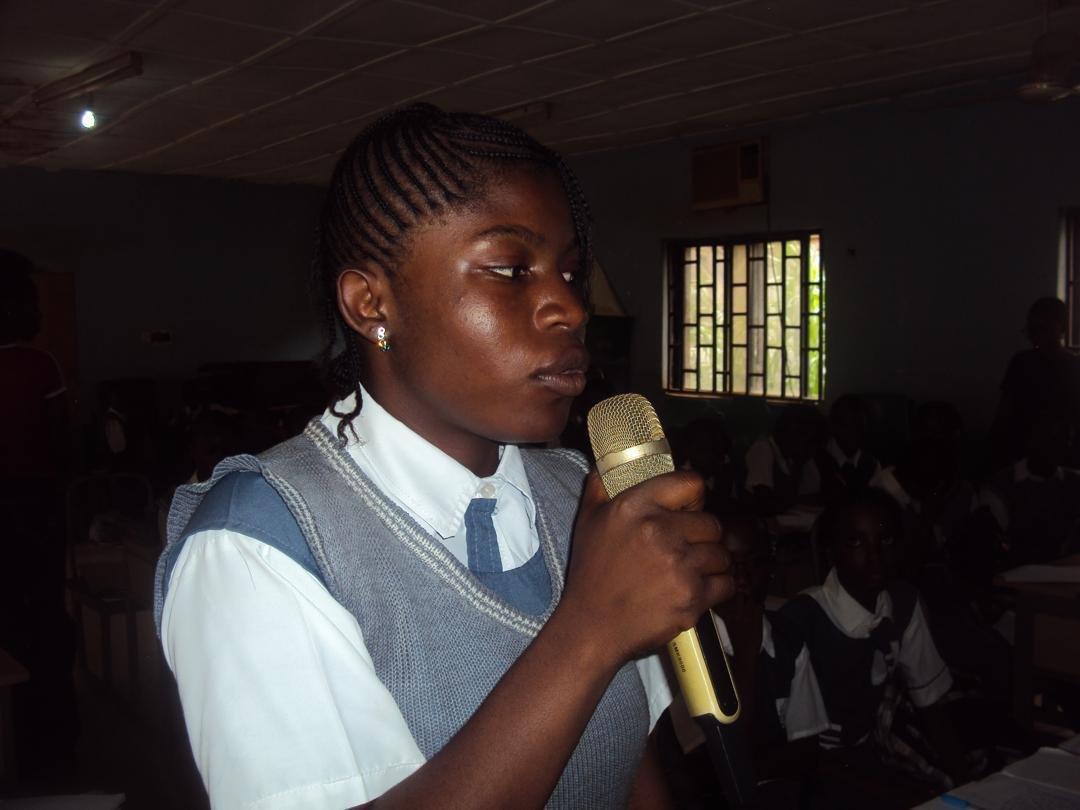
At SWEDIWorld, we believe girls are not merely beneficiaries of development. They are knowledge holders, innovators and active contributors to solutions for the challenges facing their communities. Through our work on girls’ education, menstrual dignity and climate justice, including the Girls’ Voices for Climate Just Futures initiative, we are creating space for adolescent girls to express their perspectives and contribute ideas about the futures they want.
Girls must be safe enough to learn, supported enough to thrive and heard enough to lead.
Ending child marriage, protecting girls’ rights and investing in their education and leadership cannot be achieved through a single campaign or organisation. It requires sustained commitment, adequate resources and collective action.