 swediworld
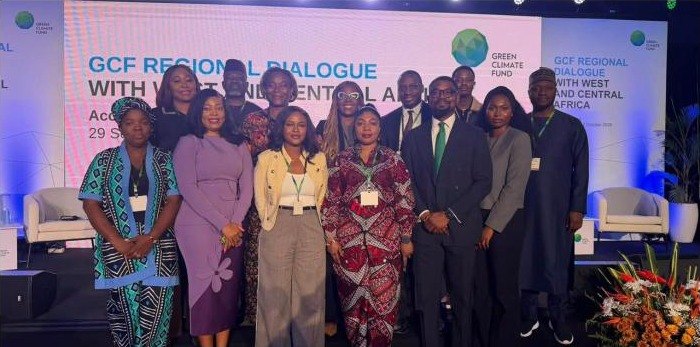
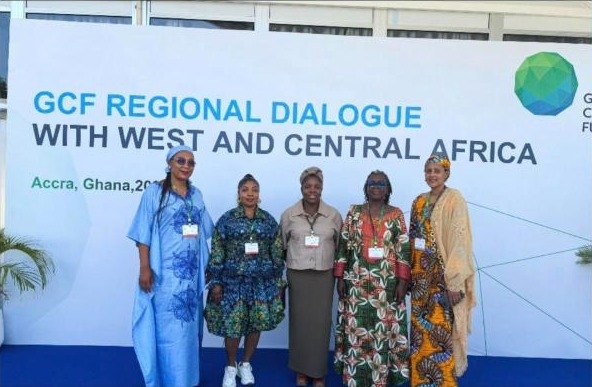
SWEDIWorld’s founder, Sewuese Asa, took part as a civil society observer in the Green Climate Fund (GCF) Regional Dialogue with West and Central Africa in Accra, Ghana, from 29 September to 2 October 2026.

The Nigerian delegation included colleagues from the National Council on Climate Change, Nigeria’s National Designated Authority, the Federal Ministry of Finance, NIRSAL, the Development Bank of Nigeria, the Nigeria Sovereign Investment Authority, the Global Green Growth Institute and civil society. She also joined colleagues from the GCF Observer Network of Civil Society, Indigenous Peoples and Local Communities.
A good idea is not automatically a good investment
In a project clinic, participants examined a proposed solar irrigation project for farmers. It sounded promising, but the questions went deeper: Is there enough water? What are the climate risks? What is the baseline? Is there a market? Can farmers repay the financing? What preparation is still needed? The exercise changed the way SWEDIWorld looks at projects: a good development idea is not automatically a good investment, and the solution cannot come before understanding the problem, the evidence and the barrier.
Keeping communities at the centre
Consultation is valuable, but civil society’s role should go beyond being consulted. SWEDIWorld will keep asking: Who is vulnerable? Where is the evidence? Who participated? Who benefits? Are women and local communities meaningfully included? Who is accountable? And what happens at the last mile?
The discussions on agriculture showed why attention must go beyond production to climate information, water, processing, post-harvest losses, markets and access to finance. Conversations on fragile and conflict-affected communities were a reminder that investments must respond to the realities in which people live.
These lessons will be carried into SWEDIWorld’s work with women smallholder farmers, community water security and resilience, and women and girls as agents of climate action.
She later wrote that the dialogue was “an important opportunity to engage with climate finance stakeholders, exchange perspectives, and strengthen connections around climate action”, and shared the GCF Africa Region Director’s reflections on country ownership and inclusive climate finance.
“Engaging in climate policy spaces while working directly with women, girls and grassroots communities has been one of the most rewarding parts of my journey,” she wrote afterwards, “reminding me that meaningful climate action must connect policy with the realities of the communities it is meant to serve.”